
Introduction
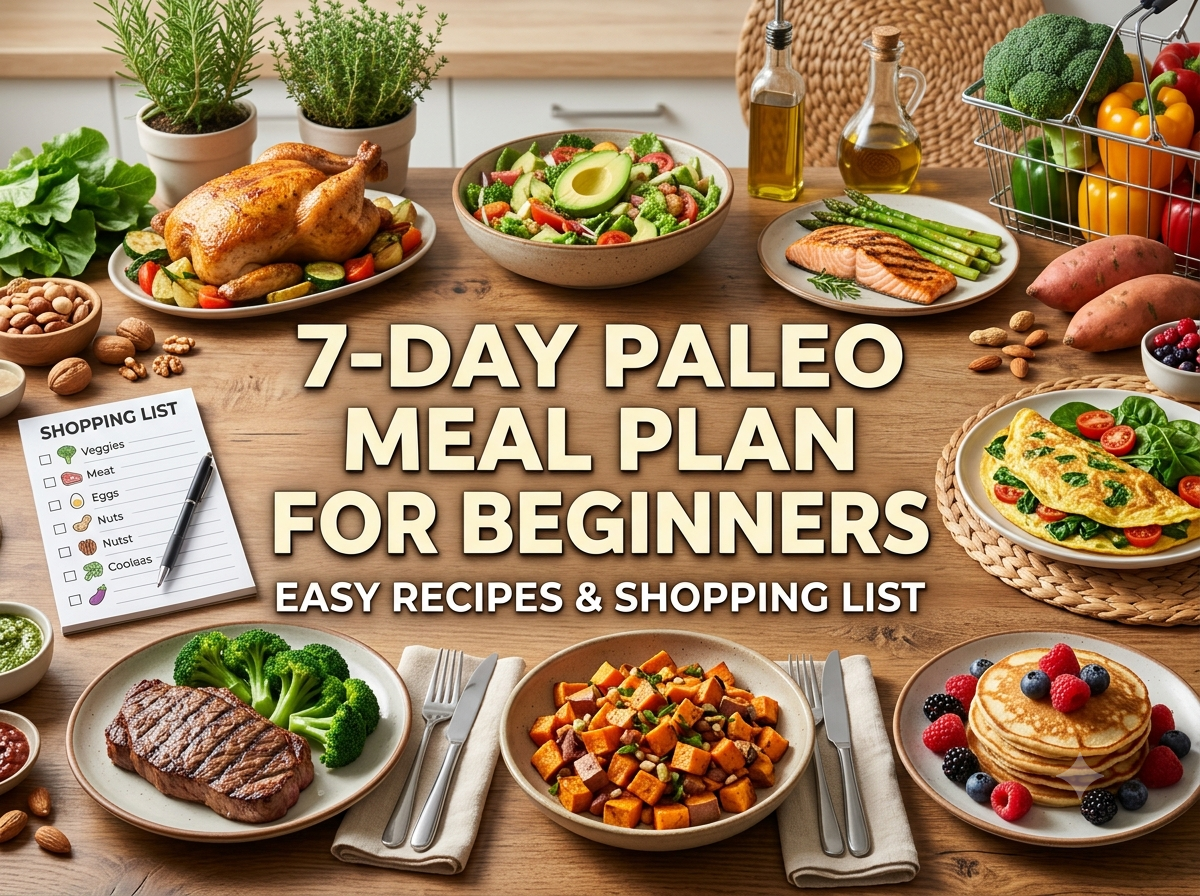
Planning healthy meals can feel overwhelming, especially when you’re trying to change your eating habits while managing work, family responsibilities, and a busy schedule. Between grabbing breakfast on the way to work, ordering takeout for lunch, and figuring out dinner after a long day, eating well isn’t always easy. That’s where a practical paleo meal plan can help. Instead of relying heavily on packaged meals and refined carbohydrates, this eating approach focuses on vegetables, fruits, eggs, fish, meat, nuts, seeds, and other minimally processed foods.
But does following a paleo diet mean giving up everything you enjoy? Not necessarily. You can still prepare flavorful breakfasts, satisfying lunches, and comforting dinners using ingredients available at everyday American grocery stores. Think scrambled eggs with avocado, grilled chicken with roasted vegetables, salmon with sweet potatoes, or a colorful taco bowl made with cauliflower rice. The goal is to build meals that are nutritious, enjoyable, and realistic enough to prepare consistently.
A well-organized paleo diet meal plan also takes the guesswork out of grocery shopping. When you know what you’re cooking for the week, you’re less likely to waste ingredients or reach for convenience foods simply because you’re short on time. This guide provides a complete seven-day menu, shopping list, meal preparation strategies, and a discussion of nutritional benefits and limitations.
What Is the Paleo Diet?
The paleo diet, sometimes called the Paleolithic or caveman diet, is an eating pattern inspired by foods believed to have been available before modern agriculture. It emphasizes vegetables, fruits, meat, fish, eggs, nuts, and seeds while generally excluding grains, legumes, dairy products, refined sugars, and many highly processed foods.
Unlike diets that require counting every calorie or following a strict macronutrient ratio, paleo is primarily defined by food choices. It is not a historically exact reconstruction of prehistoric eating: diets varied across regions and seasons, and modern ingredients differ from ancient counterparts. There is no single universally accepted version of paleo eating.
Definition of Paleo and How It Works
The definition of paleo comes from Paleolithic, an extended period of human prehistory before agriculture. In modern nutrition, paleo means prioritizing minimally processed foods and restricting several agricultural food groups. You might replace toast with eggs and vegetables, or pasta with zucchini noodles.
Paleo is not necessarily ketogenic or low-carbohydrate. Sweet potatoes, squash, fruit, and other vegetables can provide substantial carbohydrates. The emphasis is on food selection, not a mandatory calorie or carbohydrate target.
Foods to Eat and Avoid on a Paleo Diet
Most paleo approaches include poultry, fish, eggs, lean meats, vegetables, fruit, avocado, olive oil, nuts, and seeds. Strict versions typically exclude rice, oats, wheat, bread, pasta, dairy, beans, lentils, chickpeas, and peanuts. Sweet potatoes are commonly accepted, while coffee and some starchy vegetables vary by interpretation.
🥑 Usually included
- 🍗 Poultry
- 🐟 Fish
- 🥚 Eggs
- 🥩 Lean meats
- 🥦 Vegetables
- 🍓 Fruit
- 🥑 Avocado
- 🫒 Olive oil
- 🌰 Nuts
- 🌱 Seeds
🚫 Strict versions exclude
- 🍚 Rice
- 🥣 Oats
- 🌾 Wheat
- 🍞 Bread
- 🍝 Pasta
- 🧀 Dairy
- 🫘 Beans
- Lentils
- Chickpeas
- 🥜 Peanuts
🤔 Varies by interpretation
- 🍠 Sweet potatoes (commonly accepted)
- ☕ Coffee
- Some starchy vegetables
Good to know: Foods excluded by paleo are not necessarily unhealthy. Whole grains, beans, lentils, and unsweetened dairy can supply valuable fiber, vitamins, minerals, and protein. Dietary restrictions should not be confused with evidence that these foods are harmful.
Benefits and Limitations of a Paleo Meal Plan
A potential advantage of a healthy paleo meal plan is its emphasis on home-cooked meals made with minimally processed ingredients. Replacing sugary pastries with eggs and fruit or packaged dinners with fish and vegetables may improve overall diet quality. Protein alongside fiber-rich produce and unsaturated fats can help meals feel satisfying.
Some research reports short-term improvements in body weight and cardiometabolic markers, but this does not establish that paleo is better than other balanced diets for everyone. Evidence about long-term effects is more limited. Removing dairy, legumes, and whole grains can also make calcium, vitamin D, fiber, and certain B vitamins harder to obtain. Fresh meat and seafood may increase grocery costs.
How to Start a Paleo Diet Meal Plan
Start with familiar meals and modify their ingredients. Replace a breakfast sandwich with eggs and roasted sweet potatoes, flour tortillas with lettuce wraps, or rice with cauliflower rice. Plan around your actual schedule: portable lunches for workdays and flexible family dinners for evenings.
Portion sizes depend on individual energy needs, activity, age, and health. This example is not a personalized calorie-controlled plan. Stock basic ingredients such as eggs, frozen vegetables, chicken, canned fish, sweet potatoes, and olive oil; specialty paleo snacks and flours are optional.
7-Day Paleo Diet Menu Plan for Beginners
The following seven-day paleo diet menu plan uses familiar US grocery ingredients and repeatable cooking techniques. Adjust quantities and add snacks or sides to meet your needs.
Day 1Simple and Balanced Meals
🍳BreakfastScrambled eggs with avocado and blueberries
🥗LunchGrilled chicken salad with mixed greens, cucumber, tomatoes, carrots, lemon and olive oil
🐟DinnerBaked salmon with roasted sweet potatoes and broccoli
Begin with meals requiring little preparation. Grill extra chicken to reuse during the week. Season salmon with lemon, garlic, pepper, and herbs; cook fish to 145°F. Snack on an apple and almonds if hungry.
Day 2High-Protein Paleo Meals
🍳BreakfastEgg, turkey, spinach and bell pepper scramble
🥬LunchChicken lettuce wraps with avocado, carrots, cucumber and lime
🍝DinnerTurkey meatballs with zucchini noodles and no-added-sugar tomato sauce
Use leftover chicken for portable lettuce wraps; pack the filling separately. Make meatballs with ground turkey, egg, garlic, and herbs, and cook turkey to 165°F. Strawberries and walnuts make a simple snack.
Day 3Quick and Easy Paleo Recipes
🥥BreakfastChia pudding with unsweetened coconut milk, berries and almonds
🥑LunchTuna-stuffed avocado with cucumber and tomatoes
🥘DinnerChicken and vegetable stir-fry over cauliflower rice
Refrigerate chia seeds in coconut milk overnight; add a boiled egg if you want more protein. Combine canned tuna with celery, lemon and olive oil. Cook chicken thoroughly with broccoli, peppers, mushrooms, garlic and ginger. Follow FDA guidance when selecting tuna, especially during pregnancy.
Day 4Nutrient-Rich Paleo Meals
🍠BreakfastSweet potato, onion, bell pepper and egg hash
🥗LunchSalmon salad with greens, cucumber, tomatoes and avocado
🍗DinnerGrilled chicken with Brussels sprouts, carrots and butternut squash
Cook diced sweet potato until tender before adding eggs. Canned salmon with edible bones can contribute calcium when dairy is excluded. Roast colorful vegetables in olive oil and herbs. An orange and almonds can serve as a snack.
Day 5Budget-Friendly Paleo Meals
🥞BreakfastBanana, egg and almond flour pancakes with berries
🍲LunchChicken cauliflower rice bowl with carrots and spinach
🍔DinnerTurkey burgers in lettuce wraps with sweet potato wedges
Mash a banana with eggs and a little almond flour for small pancakes. Frozen cauliflower rice and leftover chicken keep lunch convenient. Cook turkey burgers to 165°F. Store brands, frozen vegetables and seasonal fruit can reduce costs.
Day 6Family-Friendly Paleo Recipes
🍄BreakfastVegetable omelet with mushrooms, spinach and tomatoes
🌮LunchTurkey lettuce tacos with avocado, salsa and cilantro
🍗DinnerSheet-pan chicken with carrots, broccoli and sweet potatoes
Serve taco fillings family-style, offering tortillas separately to those not following paleo. Roast chicken and vegetables in stages if their cooking times differ. Cook chicken to 165°F and refrigerate leftovers promptly.
Day 7Easy Weekend Paleo Meals
🥚BreakfastEggs with sautéed spinach, mushrooms and avocado
🥗LunchRecently prepared leftover chicken or turkey salad with apples and walnuts
🐟DinnerGarlic-lemon salmon with asparagus and roasted sweet potatoes
Use only safely stored leftovers; cooked food is generally best used within three to four refrigerated days. Roast salmon until it reaches 145°F. Review which meals worked best and repeat them next week.
Kitchen Safety at a Glance
145°F🐟 Salmon and other fish
165°F🍗 Chicken, 🦃 turkey meatballs and burgers
2 hrsRefrigerate perishables within this time
3–4 daysTypical fridge life for cooked leftovers
Complete Paleo Diet Shopping List
A paleo diet shopping list helps avoid duplicate purchases and food waste. The following quantities are approximate for one adult over seven days. Adjust for appetite, portions and leftovers. Tick items off as you shop.
🍗 Protein
🥦 Vegetables
🍎 Fruit and healthy fats
🥥 Pantry
Protein, Vegetables, Fruits, and Healthy Fats
Choose versatile ingredients that work in several dishes. Chicken can be used in salads, wraps and bowls; spinach works in omelets and side dishes. Frozen berries can replace fresh berries, cabbage can replace expensive greens, and canned salmon can sometimes replace fresh salmon. This paleo shopping list should fit your budget, not make shopping unnecessarily expensive.
Paleo Meal Prep Tips for Busy Americans
Prepare ingredients once or twice per week rather than cooking every meal from scratch. A sample Sunday session might involve:
- 🧼 Wash vegetables
- 🍗 Roast chicken and sweet potatoes
- 🦃 Cook turkey
- 🥚 Boil eggs
- 🥜 Portion snacks
- 🥣 Prepare salad dressing
Repeat a smaller session midweek.
Refrigerate perishables promptly, ideally within two hours of cooking. Use shallow containers to cool larger batches, and freeze meals planned for later in the week. Cooked leftovers generally keep three to four days in the refrigerator. Keep delicate greens and dressings separate until serving.
Common Mistakes to Avoid on a Paleo Diet
Not every packaged product labeled paleo is automatically nutritious. Cookies, bars, and desserts can still contain substantial calories, sweeteners, or saturated fat. Another common mistake is focusing on meat while neglecting colorful vegetables, fruit, and healthy fats.
Removing grains, dairy and legumes without replacing their nutrients can leave gaps in calcium, vitamin D, fiber and B vitamins. Paleo also does not guarantee weight loss: overall energy balance and individual health factors still matter. Avoid unnecessary rigidity when a more flexible pattern would better support long-term health.
Nutrients to watch: calcium · vitamin D · fiber · B vitamins
Is the Paleo Diet Right for Everyone?
Paleo may appeal to people who enjoy home cooking and want to eat more minimally processed foods. But strict elimination of nutritious food groups is not necessary for everyone. People with diabetes, kidney disease, osteoporosis, food allergies, a history of disordered eating, or other conditions affecting nutrition should seek individualized advice. Pregnancy, breastfeeding, childhood and older age can also involve special needs.
The 2025–2030 Dietary Guidelines for Americans include nutrient-dense foods from groups that strict paleo excludes, including dairy, whole grains and legumes. A paleo-inspired approach that emphasizes produce and minimally processed proteins without eliminating these foods may be more sustainable. A registered dietitian can help assess nutritional adequacy.
Conclusion
Following a paleo meal plan can make it easier to organize meals around vegetables, fruit, protein and minimally processed ingredients. This seven-day paleo diet meal plan provides practical breakfast, lunch and dinner ideas, along with a reusable grocery list.
Use the paleo diet shopping list to reduce waste, prepare versatile ingredients in advance and adjust portions to your needs. Remember that strict paleo removes several nutritious food groups, so pay attention to calcium, vitamin D, fiber and overall variety. Consistent, balanced choices matter more than following a diet label perfectly.
Frequently Asked Questions About the Paleo Meal Plan
What can I eat on a paleo diet meal plan?
Most paleo plans include eggs, poultry, fish, meat, vegetables, fruit, nuts, seeds, avocados and olive oil. Strict versions usually exclude grains, legumes, dairy and many highly processed foods. Sweet potatoes and fruit can supply carbohydrates.
Can I lose weight by following a 7-day paleo meal plan?
Possibly, if it helps you maintain an appropriate energy intake and make satisfying food choices. Weight loss is not guaranteed, and one week alone is unlikely to establish lasting results. Activity, health and total calorie intake matter.
What should beginners buy for a paleo shopping list?
Begin with eggs, chicken, fish, leafy greens, broccoli, sweet potatoes, berries, apples, avocado, olive oil, almonds and walnuts. Frozen vegetables and canned fish are convenient lower-cost choices.
Can I eat rice, oatmeal, or peanut butter on the paleo diet?
Strict paleo generally excludes rice and oatmeal because they are grains and peanut butter because peanuts are legumes. Almond butter and cauliflower rice are common substitutes. Whole grains and legumes are nutritious and do not generally need to be avoided for health.
Is a paleo meal plan expensive in the United States?
It can be, particularly with frequent meat, seafood and specialty products. Frozen produce, canned fish, eggs, seasonal fruit, affordable poultry and batch cooking can help control costs.
Research Sources
Also read: High Protein Snacks
Tagged: paleo meal plan