
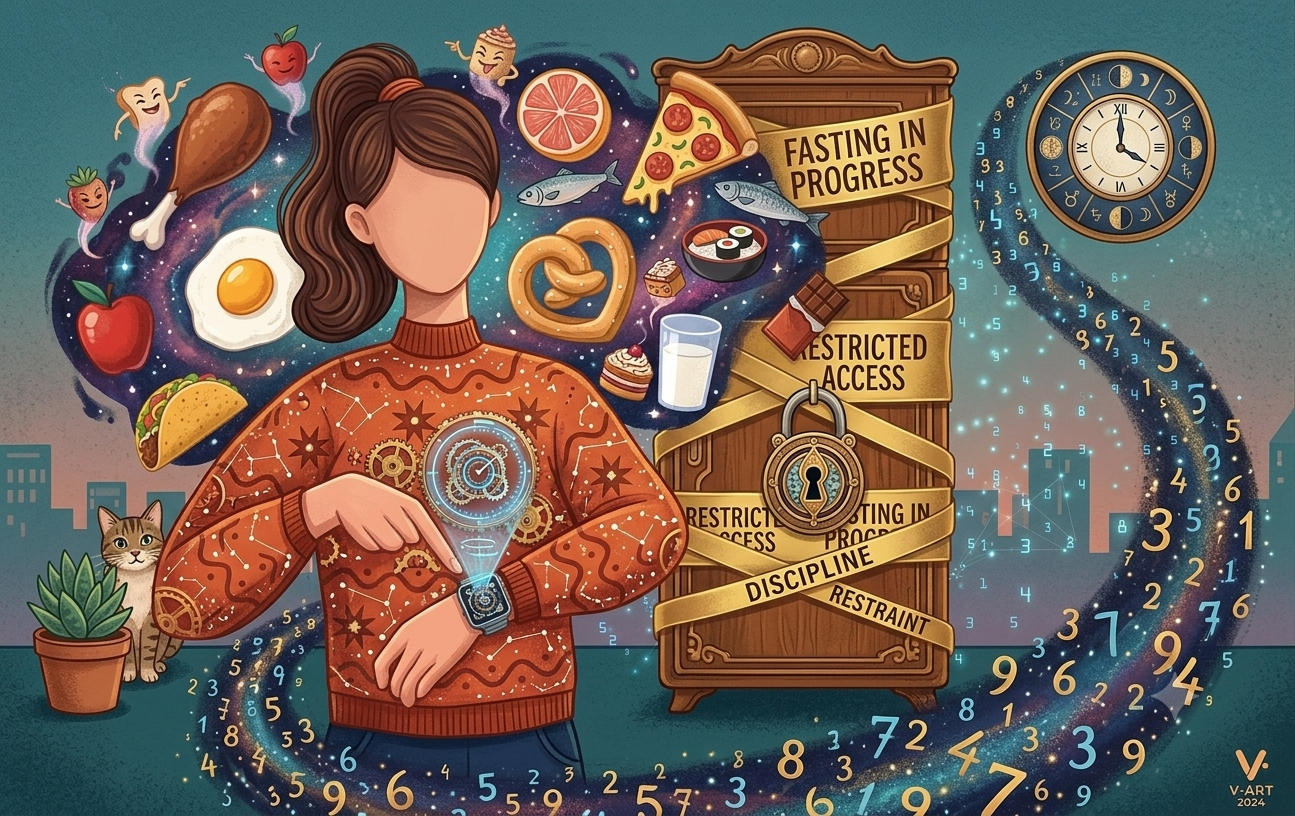
Fasting has been practiced for centuries for religious, cultural, personal and health-related reasons. Today, it is also discussed widely in the United States as part of different nutrition approaches, including intermittent fasting and time-restricted eating. But fasting isn’t one single method. A short overnight fast, a religious fast, intermittent fasting schedule and an extended fast can have very different rules and purposes.
If you’re trying to understand fasting, the first thing to know is that there isn’t one universal set of fasting rules. What you can drink, how long you should fast, what you should eat beforehand and how you should break a fast depend on the type of fast you’re following. Your health and medications matter, too. Johns Hopkins Medicine explains that intermittent fasting uses scheduled periods of eating and fasting, while also noting that it isn’t appropriate for everyone.
This guide explains the fast rules, stages of fasting, different types of fasting, fasting phases, dirty fasting, what you can consume during a fast, how to manage hunger and how to safely approach fasting for weight-related goals. The goal is to give you practical information without treating fasting as a one-size-fits-all solution.
What Is Fasting?
Fasting means voluntarily going without food for a defined period of time. Depending on the type of fast, beverages may or may not be allowed. Some fasting practices allow water and other calorie-free drinks, while certain religious or medical fasts may have much stricter rules.
Fasting is different from simply skipping a meal by accident. A fasting period is usually intentional and follows a particular schedule or purpose. For example, you might stop eating after dinner and wait until breakfast the next morning, creating a 12-hour overnight fast. Another person might follow a 16:8 intermittent fasting schedule, while someone else may fast for religious observance according to specific traditions.
The purpose matters. If you’re fasting before a medical procedure or blood test, follow the instructions provided by your healthcare professional rather than general fasting advice. If you’re fasting for religious reasons, follow the rules of your faith tradition. If your goal is nutrition or weight management, choose an approach that is practical, nutritionally adequate and appropriate for your health.
How Fasting Works
Your body doesn’t suddenly switch from one energy source to another at a specific minute. Instead, energy use changes gradually as time passes after your last meal. Initially, your body can use energy from food you’ve recently consumed and stored carbohydrate. As the fasting period continues, stored fuel becomes increasingly important.
This gradual change is one reason you may see references to fast stages or fasting phases online. These terms are useful for explaining broad metabolic changes, but they shouldn’t be treated like an exact timetable that applies identically to everyone. Your previous meal, activity level, body composition, metabolism and overall diet can all affect how your body responds.
Johns Hopkins describes intermittent fasting as a pattern that can encourage a metabolic switch toward greater use of stored fuel after readily available energy stores are depleted.
What Are the Different Types of Fasting?
There are several different types of fasting, and they don’t all have the same rules. Some involve fasting for part of each day, while others restrict food on specific days of the week. Religious fasting may follow another set of rules entirely.
| Type of fasting | Basic idea | Typical consideration |
| Overnight fasting | No food between dinner and breakfast | Often easier for beginners |
| Time-restricted eating | Eating within a set daily window | Commonly uses schedules such as 12:12 or 16:8 |
| 5:2 fasting | Regular eating on five days and substantial restriction on two days | Requires planning |
| Alternate-day fasting | Alternating between eating and fasting/restricted days | More demanding |
| Religious fasting | Food and/or drink restrictions based on religious practice | Rules vary by tradition |
| Extended fasting | Going without food for substantially longer periods | Should not be approached casually |
The important point is that fasting is a category, not a single diet. A person following a 12-hour overnight fast is doing something very different from someone attempting a 36-hour fast.
Intermittent Fasting
Intermittent fasting is one of the most widely discussed forms of fasting. It alternates periods of eating with periods of fasting according to a recurring schedule. Popular approaches include time-restricted eating and the 5:2 method. Johns Hopkins lists approaches such as 16:8 and 5:2 and warns that longer fasts are not necessarily better and can be dangerous.
For example, a 16:8 schedule means fasting for 16 hours and eating during an eight-hour window. A simpler 12:12 schedule provides 12 hours for fasting and 12 hours for eating.
There is no requirement that everyone use 16:8. If a shorter overnight fast fits your lifestyle better, it may be easier to maintain. Cleveland Clinic similarly emphasizes that the most appropriate fasting approach depends on individual preferences, medical history and what works for the person.
What Are the Stages of Fasting?
If you’ve searched what are the stages of fasting, you’ll find different descriptions online. Broadly, the body moves through changing patterns of fuel use as the time since your last meal increases. However, there is no universal “hour 1, hour 8, hour 16” schedule that accurately describes every person’s metabolism.
The stages of fasting are better understood as overlapping metabolic phases. During the early period, the body continues to use energy available from your recent food intake and stored carbohydrate. As time passes, the body increasingly draws on stored fuel, including fat.
The transition isn’t an on/off switch. Your body is constantly balancing different sources of energy. This is why claims that a specific fasting hour instantly activates a dramatic metabolic process should be approached carefully.
Early Fasting Phase
The early fasting phase begins after your last meal. During this period, digestion and nutrient processing are still taking place, and your body can continue using recently consumed energy.
You may feel completely normal during this stage. If you’ve eaten a meal containing protein, fiber and nutrient-dense carbohydrates, you may remain satisfied for several hours. Hunger can also appear around your normal meal times because your eating schedule influences habitual hunger cues.
As the fast continues, the body gradually makes greater use of stored energy. The exact timing differs between people, so it’s more useful to think of the process as a gradual curve than a series of rigid checkpoints.
Fasting Rules to Know
The basic fasting rules depend on the type of fast, but several practical principles apply to many nonmedical fasting approaches.
First, know what your fast allows. Second, stay appropriately hydrated when your type of fast permits fluids. Third, don’t use the eating period as an excuse to ignore nutrition. Finally, pay attention to symptoms rather than treating discomfort as proof that the fast is working.
A useful fast rule is to avoid making the schedule unnecessarily complicated. If a 12-hour overnight fast is comfortable, there may be no reason to immediately attempt 18, 24 or 36 hours. Johns Hopkins specifically notes that longer fasting periods are not necessarily better and may be dangerous.
What Can You Have on a Fast?
So, what can I have on a fast? For many calorie-free intermittent fasting approaches, the simplest options are plain water, unsweetened tea and black coffee. Johns Hopkins lists water and zero-calorie beverages such as black coffee and tea as options during intermittent fasting.
However, this answer changes depending on the purpose of the fast. A medical fast may have specific instructions about what you can drink. A religious fast may prohibit certain beverages or all food and drink during particular hours.
For a strict calorie-free fast, foods and caloric beverages generally end the fast. That includes sugary drinks, juice, milk, cream-heavy coffee and snacks.
What Can Be Consumed During Intermittent Fasting?
The question of what can be consumed during intermittent fasting usually refers to beverages consumed during the fasting window.
Common choices include:
- Plain water
- Sparkling or carbonated water without calories
- Unsweetened tea
- Black coffee
Cleveland Clinic recommends calorie-free drinks such as water, carbonated water, black coffee and unsweetened tea for maintaining a fasting state.
Be careful with drinks marketed as “fasting-friendly.” A beverage can contain more calories than you expect because of sugar, milk, cream or other additions. Artificial sweeteners can also complicate the question because different fasting approaches define a fast differently.
If your goal is a strict calorie-free fast, keeping your beverage choices simple is the easiest approach.
What to Eat Before a Fast
Knowing what to eat before a fast can make the fasting period more comfortable. Instead of treating your last meal as a chance to overeat, build it around foods that provide protein, fiber, fluids and other nutrients.
A balanced meal might include chicken, fish, tofu, beans or another protein source alongside vegetables, whole grains, fruit and healthy fats. For breakfast-style meals, Greek yogurt with berries, oats and nuts can be a filling option. The best choice depends on your dietary preferences and nutritional needs.
Large amounts of highly refined carbohydrates or added sugar may leave some people hungry again relatively quickly. A meal containing protein and fiber generally provides more lasting satiety.
The goal isn’t to “load up” before fasting. Think of your pre-fast meal as filling the tank sensibly rather than trying to squeeze an entire day’s worth of food into one sitting.
How to Make Fasting Easier
How to make fasting easier starts with choosing a fasting window that fits your daily life. If you routinely have breakfast with your family at 7 a.m., work a physically demanding job in the morning or exercise early, an aggressive morning fasting window may be difficult to sustain.
Consistency can help. Cleveland Clinic recommends keeping similar eating and fasting windows on fasting days rather than constantly changing the schedule.
Hydration is also important when your fasting method permits fluids. Sleep matters as well. Staying awake late at night can make hunger and food cravings more noticeable, especially if you normally snack before bed.
Don’t be afraid to shorten your fasting window. A sustainable 12- or 14-hour fast can be more useful than an 18-hour fast that leaves you exhausted and causes you to abandon the routine.
How to Not Be Hungry When Fasting
How to not be hungry when fasting is a common question, but some hunger is normal. The goal isn’t necessarily to eliminate every hunger sensation. Instead, you can make hunger easier to manage by choosing satisfying meals, getting adequate sleep, staying hydrated and avoiding unnecessarily long fasting periods.
It can also help to keep busy. Work, reading, walking, hobbies and household activities can shift your attention away from food. Hunger often comes in waves, so a craving that feels strong at one moment may become less noticeable later.
Don’t ignore severe symptoms. Persistent dizziness, fainting, confusion, unusual weakness or other concerning symptoms are not signs that you should simply “push through” the fast.
What Is Dirty Fasting?
What is a dirty fast? Dirty fasting is an informal term used for a fasting approach that permits small amounts of calories or certain additions during the fasting window. It does not have one universally accepted medical definition.
For example, someone might describe a fast that allows a small amount of cream in coffee as “dirty fasting.” Another person may use the term for a low-calorie drink or another small amount of energy consumed during the fasting period.
That creates an important distinction between strict fasting and flexible fasting. If your goal is a strict calorie-free fast, consuming calories means the fast has technically ended. If your broader goal is simply to create a consistent eating window or reduce overall calorie intake, your approach may be more flexible.
The term should therefore be used carefully rather than presented as an official medical protocol.
Dirty Fasting Rules
There are no universally recognized dirty fasting rules. Different people and fasting communities use the phrase differently.
If you choose a flexible approach, establish your own boundaries before starting. Decide whether your fasting window permits anything besides water, unsweetened tea or black coffee. Otherwise, it becomes very easy for a “small exception” to turn into regular snacking.
If you find that you need several calorie-containing drinks to get through a fasting window, consider whether your fasting period is simply too long. Reducing the fasting duration may be a more practical solution.
For strict fasting, the simplest rule remains the clearest: avoid calorie-containing food and beverages during the fasting period.
How Do You Break a Fast?
How do you break a fast? After a short fast, you generally don’t need a complicated process. You can return to a normal, balanced meal containing protein, vegetables or fruit, carbohydrates and healthy fats.
For example, you might eat grilled chicken with vegetables and brown rice, or a bean-and-grain bowl with vegetables and avocado. If breakfast is your first meal after fasting, eggs with whole grain toast and fruit can provide a balanced option.
What you should not do is treat the end of a fast like permission to eat as much as possible. A huge meal high in fat, sugar and refined carbohydrates may leave you uncomfortable.
Longer or medically supervised fasts are different. If you have gone without food for an extended period, don’t assume the same approach used after a short overnight fast applies.
How Much Weight Can You Lose With Intermittent Fasting?
The answer to how much weight can you lose with intermittent fasting is different for every person. There is no guaranteed number of pounds you will lose in a week or month.
Research suggests that intermittent fasting can support weight loss for some adults, but its results are strongly influenced by overall energy intake and adherence. A 2025 systematic review and network meta-analysis published in The BMJ included 99 randomized clinical trials involving 6,582 adults. It found that intermittent fasting strategies reduced body weight compared with unrestricted eating, while differences between fasting strategies and continuous calorie restriction were generally modest.
Another 2025 systematic review found that intermittent fasting produced weight loss comparable to continuous energy restriction in many comparisons.
That means fasting shouldn’t be presented as a shortcut that automatically causes dramatic weight loss. If fasting helps you eat fewer calories in a sustainable way, it may support weight management. If the eating window leads to overeating, the expected benefit may be reduced.
So when someone asks, “How much weight can I lose with intermittent fasting?”, the most accurate answer is: there is no universal amount, and results depend on your overall eating pattern, energy intake, activity, starting weight and consistency.
Intermittent Fasting for Weight Gain
Fasting is usually discussed in the context of weight loss, but some people search for intermittent fasting for weight gain. This can be difficult because limiting the number of hours available for eating may make it harder to consume enough calories and protein.
If your goal is to gain weight or build muscle, adequate energy and protein intake should generally take priority. Resistance training, sufficient protein and nutrient dense calorie sources are usually more relevant to the goal than extending a fasting window.
Some people may prefer a structured eating schedule while gaining weight, but there’s no requirement to use intermittent fasting. If fasting makes it difficult to meet your nutritional needs, it may simply be the wrong tool for your goal.
Anyone experiencing unexplained weight loss, difficulty gaining weight or inadequate food intake should discuss the issue with a healthcare professional.
Things to Do While Fasting
There are many things to do while fasting that don’t involve constantly thinking about food. You can work, read, study, take a walk, do household tasks, spend time with family or work on hobbies.
Light activity may be comfortable for some people, while others may struggle with exercise during a fasting period. Your response can depend on the duration of the fast, your usual activity level and your nutritional intake.
If you exercise intensely, consider how the fasting window affects your ability to train and recover. Athletes may have particular difficulty meeting their fueling needs while restricting food intake. Mayo Clinic notes that fasting may not be suitable for everyone and recommends discussing it with a healthcare professional when medical concerns are present.
The goal isn’t to fill every fasting hour with activities designed to distract you from hunger. A healthy fasting routine should fit naturally into your day.
Common Fasting Mistakes
One of the biggest mistakes is assuming that longer fasting automatically produces better results. It does not. A longer fast can make it more difficult to stay hydrated, meet nutritional needs, exercise normally and maintain the routine.
Another mistake is overeating during the eating window. Fasting does not make calories irrelevant. If your overall food intake remains higher than your energy needs, fasting may not produce the weight change you’re expecting.
Ignoring hydration is another common problem when fluids are allowed. People may also change their fasting schedule constantly, making it difficult to determine whether the approach actually works for them.
Finally, do not confuse fasting with dehydration. Dry fasting, which restricts both food and fluids, is a different and potentially risky practice. It should not be promoted as a shortcut for fat loss.
Who Should Be Careful With Fasting?
Fasting isn’t appropriate for everyone. People who are pregnant or breastfeeding, children, people with a history of eating disorders and people with certain medical conditions should generally avoid restrictive fasting unless specifically guided by a qualified healthcare professional.
People with diabetes or those taking medications that affect blood sugar or need to be taken with food should also seek medical advice before changing their eating schedule. Mayo Clinic notes that intermittent fasting can affect diabetes management and isn’t recommended for everyone.
Cleveland Clinic also identifies pregnancy or nursing, malnutrition, hypoglycemia, certain chronic diseases and childhood as situations requiring particular caution.
If fasting causes persistent dizziness, fainting, severe weakness, confusion or other concerning symptoms, stop and seek appropriate medical advice. Fasting should never become a test of how much discomfort you can tolerate.
Frequently Asked Questions
What are the stages of fasting?
The stages of fasting describe gradual changes in how your body uses available and stored energy after food intake stops. Early in the fast, recently consumed energy and stored carbohydrate contribute substantially to fuel use. As time passes, the body can rely more heavily on stored energy, including fat. The timing varies from person to person.
What can I have while fasting?
For many calorie free fasting approaches, water, unsweetened tea and black coffee are commonly consumed. However, the rules depend on the type of fast. Medical and religious fasts may have different requirements, so always follow the specific instructions associated with your fast.
What can I have on a fast without breaking it?
If you’re following a strict calorie-free fast, choose calorie-free beverages such as water, unsweetened tea or black coffee. Foods and caloric drinks generally end a strict fast. If you’re following a religious or medical fast, use the rules provided for that specific practice.
What is a dirty fast?
A dirty fast is an informal term for a fasting approach that allows small amounts of calories or certain additions during the fasting period. It doesn’t have a single standardized definition. Someone following a strict calorie-free fast would generally consider those calories to end the fast.
How do you break a fast?
After a short fast, break it with a normal, balanced meal rather than a large binge. Include protein, fiber rich foods, carbohydrates and healthy fats. Longer fasts can require more caution and should not automatically be treated like a short overnight fast.
How much weight can you lose with intermittent fasting?
There is not a fixed amount. Research indicates that intermittent fasting can support weight loss for some people, but results vary based on energy intake, adherence, activity and individual factors. Recent evidence suggests that many intermittent fasting approaches produce weight loss results broadly comparable with conventional calorie restriction rather than dramatically outperforming it.
How can I make fasting easier?
Choose a fasting window that fits your routine, stay hydrated when permitted, eat balanced meals during your eating period, sleep adequately and avoid unnecessarily long fasts. If a fasting schedule consistently leaves you exhausted or unwell, consider changing the schedule rather than forcing yourself to continue.
Conclusion
Fasting is much broader than intermittent fasting. It can refer to an overnight eating break, time-restricted eating, alternate-day approaches, religious fasting and other forms of intentional food restriction. Each approach has different rules, and the right choice depends on your purpose, health, lifestyle and nutritional needs.
Understanding the stages of fasting, fasting phases and fast rules can help you make more informed decisions. During many calorie free fasting approaches, water, unsweetened tea and black coffee are common choices. Eating a balanced meal before a fast, staying hydrated when permitted and choosing a realistic fasting schedule can also make the experience easier.
If your goal is weight management, remember that fasting isn’t a magic shortcut. Current research suggests that intermittent fasting can help with weight loss for some people, but its results are often comparable to other approaches that create a sustainable reduction in energy intake.
Most importantly, fasting should support your health rather than become an extreme challenge. If you’re pregnant or breastfeeding, under 18, have a history of an eating disorder, have diabetes, take medications affected by meal timing or have another medical condition, talk with a healthcare professional before starting a fasting routine.
Medical Disclaimer
This article is for general educational purposes and is not a substitute for individualized medical advice, diagnosis or treatment. Fasting can affect people differently, particularly those with medical conditions or taking medications. Speak with a qualified healthcare professional before making significant changes to your eating pattern.
Tagged: different types of fasting stages of fasting